
Surgeons Innovators

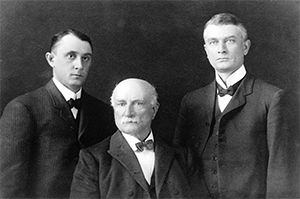
Dr. William Worrall Mayo
1819-1911
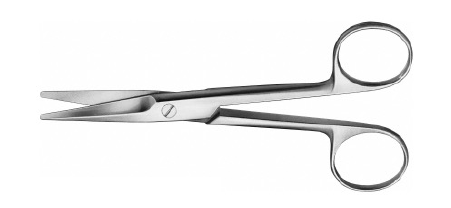
Mayo Scissors
Dr. William Worrall Mayo was an English immigrant who laid the foundation for the Mayo Clinic with his practice and principles in Rochester, Minnesota, it was the clinic, and his sons, William J. and Charles H. Mayo (the famous Mayo brothers), who significantly developed and advanced medical knowledge and facilities.
Dr. Charles William Mayo Known as “Dr. Chuck,” appointed head of a section of surgery at the Mayo Clinic. he was noted for his competent surgical treatment of the colon and his total dedication to his patients. His modesty, warmth, and sincerity won him many friends within the clinic and elsewhere.
Mayo Scissors are the necessary surgical instruments; they are multi-purpose and known for their versatility and effectiveness in various surgical procedures.
The Mayo Clinic, the institution that grew from Dr. William Worrall Mayo’s work, is credited with the scissors’ origin and evolution.
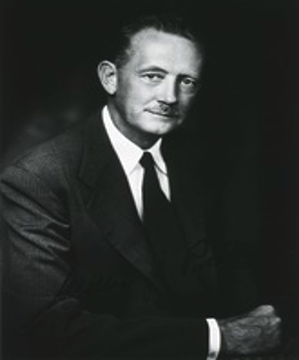
Willis John Potts
March 22, 1895 – May 5, 1968
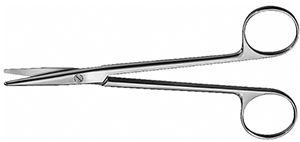
Potts Scissors

Willis John Potts was an American Paediatric Surgeon and one of the earliest surgeon to focus on the surgical treatment of heart problems in children.
Potts set up one of the country’s first Paediatric surgery programs at Children’s Memorial Hospital (later renamed Lurie Children’s Hospital) in Chicago.
A graduate of the University of Chicago and Rush Medical College, Potts was known for introducing a surgery to address the heart defects that resulted in blue baby syndrome; the procedure became known as the Potts shunt.
In addition, Potts performed the first successful repair of a cardiovascular abnormality known as a pulmonary artery sling.
Potts remained a surgeon at Children’s Memorial Hospital and a faculty member at the Northwestern University Medical School well into the 1960s.
He also invented several surgical instruments, with a particular emphasis on devices used in surgery on major blood vessels.
Among the dissecting instruments, I found the “Potts” scissors, a modified scissors with beveled outer edges that facilitate separation of infant tissues without exerting undue pressures on the structures below.
Willis J. Potts cut deeply into the fibre of paediatric and cardiovascular surgery. He gave us instruments and technology, integrity and courage, and set a brilliant example for all to follow. The magnificent warrior is no longer alive, but his philosophy and technology endure.
Myron Firth Metzenbaum
1 April 1876 – 25 January 1944

Metzenbaum Scissors
Myron Firth Metzenbaum, an American ENT surgeon who specialized in oral and reconstructive surgery at Mt. Sinai Hospital. He was a national authority in reconstructive surgery.
Metzenbaum was born in Cleveland. In 1900 he received a medical degree from the School of Medicine of Western Reserve University; he did post-graduate work in Vienna, Austria, and London, England. Metzenbaum did his internship and residency at St. Alexis Hospital (1899-1901, under Dr. GEORGE WASHINGTON CRILE, SR.
He lectured in anatomy at the Cleveland College of Physicians and Surgeons (1903-05). In addition to Mt. Sinai, Metzenbaum was on the courtesy staff of St. Luke’s Hospital.
He designed the surgical scissors which bear his name or simply “Metz”. This is the most common type of scissors used in organ-related operations.
Harvey Williams Cushing
April 8, 1869 – October 7, 1939

Cushing Foreceps (Tweezer)

Harvey Williams Cushing was an American Neurosurgeon.
A pioneer of brain surgery, he was the first exclusive neurosurgeon and the first person to describe Cushing’s disease. he is known as the “father of neurosurgery.”
Cushing developed many surgical instruments that are in use today, most notably
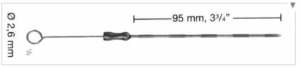
Cushing Forceps and the Cushing ventricular cannula. The forceps instrument is used to grasp the thick tissues of the scalp during cranial surgery and the cannula is used to enter the brain ventricles for CSF drainage. He also developed a surgical magnet while working with the Harvard Medical Unit in France during World War I to extract shrapnel from the heads of wounded soldiers.
Cushing ventricular cannula
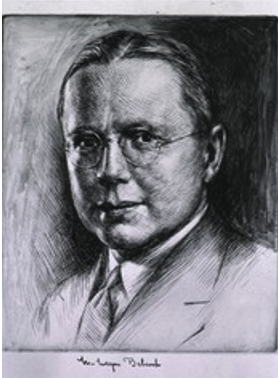
W. Wayne Babcock
1872 - 1963
Babcock Foreceps ( Clamp)

Wayne Babcock, MD, surgical innovator, educator, and author, became Chair of Surgery at Temple in 1903 and taught here for 45 years. He earned worldwide recognition for pioneering the usage of spinal anesthesia and stainless steel sutures; for developing the abdominoperipheral proctosigmoidectomy and other procedures; and for inventing such surgical instruments as Babcock’s viscera forceps and Babcock’s sump drain and lamp chimney sump drain. Babcock’s Principles and Practice of Surgery remained the authoritative text in surgery through the 1950s.
American surgeon, born June 10, 1872, E. Worcester, New York; died 1963.
A New Yorker, studied at the College of Physicians and Surgeons in Baltimore. Here he was conferred doctor of medicine in 1893 at the University of Pennsylvania School of Medicine. He then continued his studies in Pennsylvania and Philadelphia, receiving his second doctorate at the Medico-Chirurgical College in Philadelphia in 1900.
Babcock practiced as resident physician at the St. Mark’s Hospital, Salt Lake City, at the Philadelphia Polyclinic, and the College for Graduates in Medicine. He was house surgeon at the Kensington Hospital for Women, as well as demonstrator and assistant professor of pathology and bacteriology at the Medico-Chirurgical College in Philadelphia. He took over the chair of surgery and clinical surgery at Temple College, Philadelphia, in 1903. He also became surgeon to the Temple University Hospital as well as the Garretson and the American Stomach Hospitals.
Ramón Castroviejo Briones
August 24, 1904 – January 2, 1987
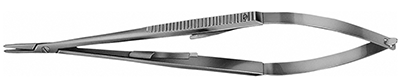
Micro Needle Holder
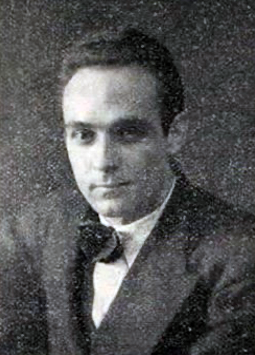
Ramón Castroviejo Briones was a Spanish and American eye surgeon remembered for his achievements in corneal transplantation.
Born in Logroño, Spain he received his medical education at the University of Madrid. He graduated in 1927 and worked at the Chicago Eye, Ear, Nose and Throat Hospital and the Mayo Clinic before, in 1931, he came to Columbia Presbyterian Medical Centre in New York. He became the director of Ophthalmology at St. Vincent’s Hospital before he opened his own hospital when he bought the Hammond House. After his retirement he move d to Madrid where he died.
While not being the first to successfully graft human cornea, he improved the technique of the operation in the 1930s and 1940s, prompting the worldwide adoption of corneal transplantation as a standard way to deal with severe corneal pathology. His keratoplasty technique remained standard until more efficient suture materials became available.[2]
Castroviejo designed the Castroviejo needle holder, an instrument used in eye, dental and other forms of microsurgery.
Sir Henry Morris
1844–1926
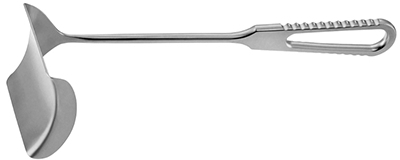
Morris retractor
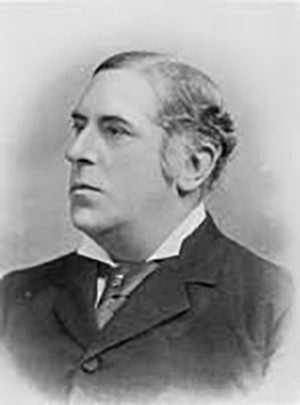
Sir Henry Morris, educated at University College London and Guy’s Hospital, subsequently became a UK Urology surgeon and anatomist at the Middlesex Hospital, and a medical politician. In 1880 he performed the first recorded case of open nephrolithotomy and was the author of a number of books on genitourinary surgery. He was surgeon in charge of the cancer wards at the Middlesex.
A basically practical and robustly useful instrument for holding back tissues, for example the incised anterior abdominal wall or flank musculature during open intestinal, renal, and thoracoabdominal surgery. It proves useful when the tough subcostal region has to be retracted. There is a fenestrated handle with serrations for improved grip and an outwardly concave blade with a lip for secure hold.
Philip Allison
1907–1974
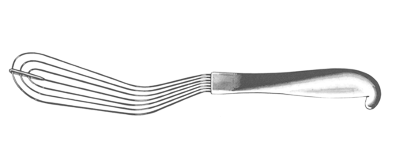
Allison lung retractor
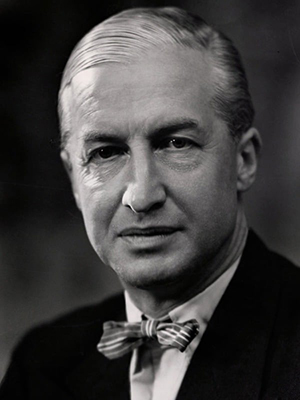
Professor Philip Allison was a well-qualified Yorkshire UK General & Thoracic surgeon, who served for 5 years as a consultant general surgeon at the Leeds General Infirmary. He then switched to specialize in thoracic surgery. During World War Two he created a regional mobile chest surgical unit. After serving as professor of surgery at Leeds, he moved to Oxford to take the Nuffield Chair of Surgery. His prime interest was surgery of the oesophagus.
This well-designed retractor was primarily used to keep the lungs out of the operative field of dissection. It was angled to keep the assistant’s hand out of the way and to provide a gentle spreading force on the lung parenchyma. It could also be employed in holding back other bulky tissues or organs, such as the liver.
John Blair Deaver
1842-1916
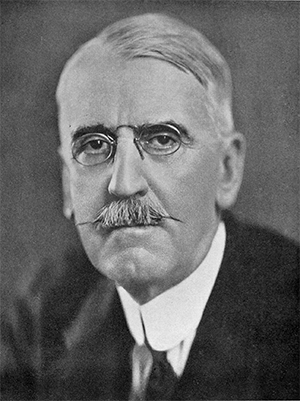
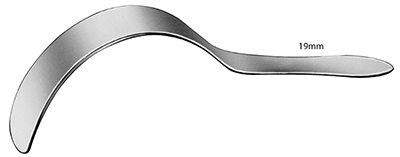
Deaver retractor
An American surgeon who became senior surgeon at the German Hospital in Philadelphia, now the Lankenau Medical Centre. He was primarily an abdominal surgeon and was, unusually for the time, an early advocate of appendicectomy. By repute he was a very radical surgeon and prodigious worker, being given—perhaps unkindly—the sobriquet of the ‘Great Slasher’, leading to a phrase, ‘death by Deaver’! He authored five textbooks and many articles. He was said to have been the originator of the saying, ‘cut well; get well; stay well’.
This deep curved retractor was designed for abdominal and pelvic work, being able—sometimes padded with gauze swabs—to hold back large organs. Perhaps not the most comfortable retractor to hold, assistants had to be cautious not to damage tissues in the depth of the abdominal or pelvic cavities with the tip of the long, curved back blade, which might be out of vision.
Vincenz Czerny
1842-1916
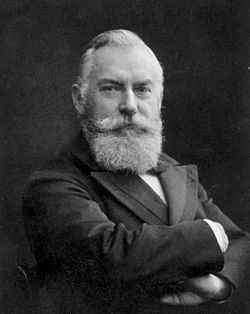
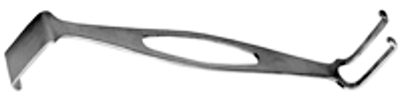
Czerny double-ended retractor
Vincenz Czerny (1842–1916) was a German Bohemian surgeon who specialized in oncological and gynaecological surgery. Studying at Prague and Vienna, he served under Billroth, and later took the chair of surgery at Heidelberg. He became a cancer surgeon, and carried out the first partial nephrectomy for renal carcinoma, and, apparently, the first vaginal hysterectomy.
This small hand-held instrument was used to retract tissues during surgery performed on the surface of the body. It is used to retract skin, fat, and muscle during hernia, breast, axillary surgery, or orthopaedic operations, for example. Lightly constructed, it lifts or pulls back tissues using either the double-hook or bladed end.
Bernard Konrad von Langenbeck
1810 - 1887

Langenbeck retractor
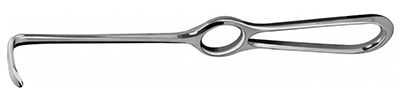
Bernard Konrad von Langenbeck (1810–1887) and his his uncle Conrad Johann (1776–1851). Both these men were educated at Göttingen. Bernard became the Professor of surgery at Kiel and, later, director of surgery at the Charité in Berlin, where, importantly, he evolved the surgical residency system. Two of his notable pupils were Billroth and Kocher. He served in no fewer than four wars.
This popular instrument works in a similar way to the Czerny retractor, but it has a narrower blade for working in a limited space.
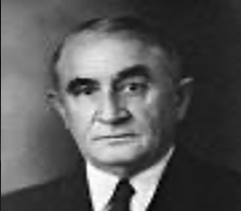
The Mayo Brothers
Dr. William J. Mayo (1861-1939)

Dr. Charles H. Mayo (1865-1939)
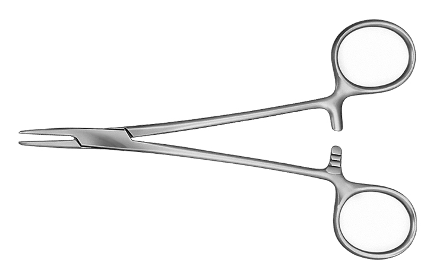
Mayo Hegar Needle Holder
The Mayo Brothers
were distinguished American surgeons and founders of the Mayo Clinic, which became one of the world’s leading medical centres.
They were instrumental in advancing medical care, surgery, and the concept of group practice and medical research.
The Mayo-Hegar needle holder is a common surgical instrument used to hold a suturing needle during procedures to close wounds or connect tissues.
The instrument was developed by a German instrument maker named “Hegar “and it became known as the “Mayo-Hegar” because of the famous Mayo brothers’ influence and use of it in their pioneering surgical practices at the Mayo Clinic.
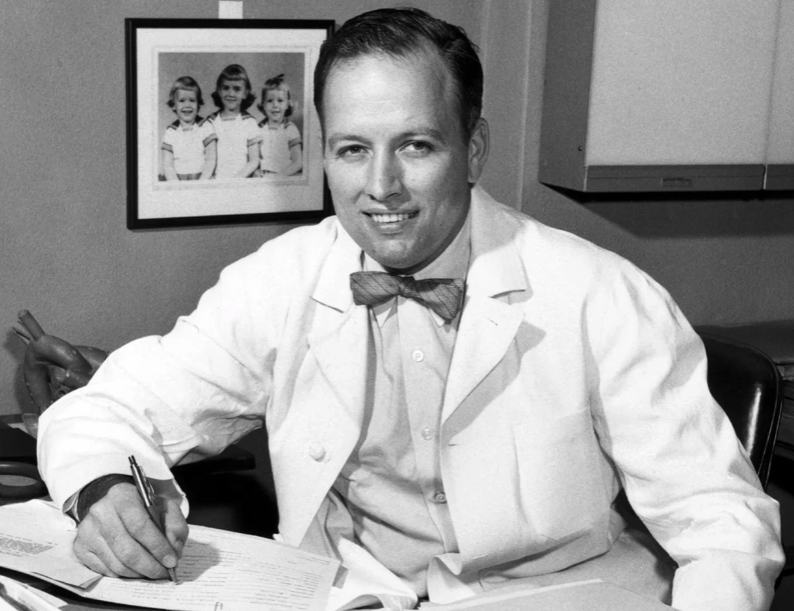
Denton Arthur Cooley
August 22, 1920 – November 18, 2016
Cooley’s Forceps (Clamp)
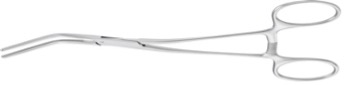
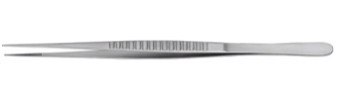
Cooley’s Forceps (Tweezer)
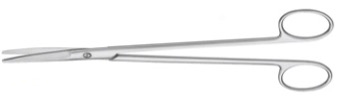
Cooley’s Scissors
An American cardiothoracic surgeon famous for performing the first implantation of a total artificial heart.
Cooley graduated in 1941 from the University of Texas at Austin (UT He completed his medical degree and his surgical training at the Johns Hopkins School of Medicine in Baltimore, Maryland, where he also completed his internship.
Cooley was also the founder and surgeon in-chief of The Texas Heart Institute, chief of Cardiovascular Surgery at clinical partner Baylor St. Luke’s Medical Center, consultant in Cardiovascular Surgery at Texas Children’s Hospital and a clinical professor of Surgery at McGovern Medical School at the University of Texas Health Science Center at Houston.
At Johns Hopkins, he worked with Dr. Alfred Blalock and assisted in the first “Blue Baby” procedure to correct an infant’s congenital heart defect. In 1950, he went to London to work with Russell Brock at the Royal Brompton Hospital.
He developed several atraumatic vascular instruments, including both clamps and scissors, that are still widely used in cardiac operating rooms today.
Dr. Cooley was a pioneer in the field of cardiothoracic surgery, known for his technical brilliance and dexterity.
He introduced these instruments to provide delicate and proper vascular control during complex procedures, such as those involving the repair of aortic aneurysms and coronary artery bypass grafting.
The instruments bearing his name are specifically designed for fine, precise dissection and cutting of delicate vascular tissues.
Louis de Wecker
29 September 1832 – 24 January 1906
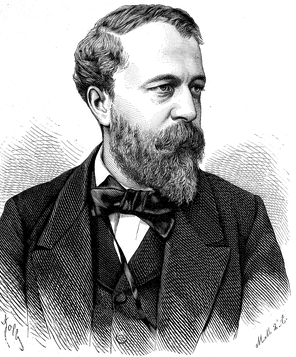
Iris Dissecting Scissors
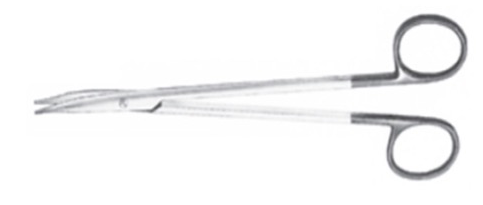
French ophthalmologist born in Frankfurt am Main, Germany.
He studied medicine in Würzburg, Berlin, Vienna and Paris, earning doctorates from Würzburg (1855) and Paris (1861). From 1862 he maintained a popular ophthalmology clinic in Paris.
In 1867 he performed an enucleation of the eye of Léon Gambetta. His name is associated with “de Wecker scissors”, which are small sharp-pointed scissors used for intraocular surgery of the iris and lens capsule, famously known as
‘Iris Dissecting Scissors’
De Wecker designed these scissors specifically for delicate eye operations, such as iridectomy, with a particular focus on improving the surgeon’s control and stability during the procedure.
The design allows the hand to be positioned in a natural, pen-like manner, enabling the little finger or both the fourth and fifth fingers to rest and be steadied on the patient’s face or temple, which is crucial for precision in microsurgery.
While originally intended for ophthalmic procedures, due to their fine, sharp blades and precision, iris scissors are now commonly used in various other surgical specialties, including neurosurgery, plastic surgery, and general surgery, for dissecting sensitive and delicate tissues.
Michael Ellis DeBakey
September 7, 1908 – July 11, 2008

Debakey Scissors
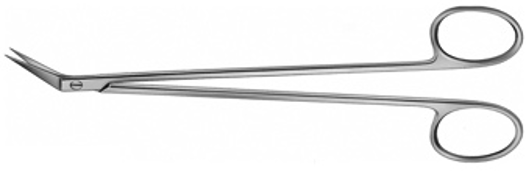
Debakey Forceps

Debakey Needle Holder
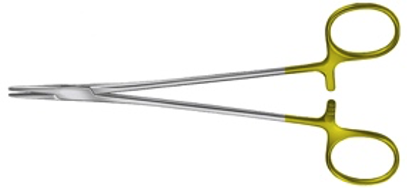
Debakey Clamp

An American/Lebanese Cardiovascular Surgeon , scientist and medical educator who became Chairman of the Department of Surgery, President, and Chancellor of Baylor College of Medicine at the Texas Medical Center in Houston, Texas.
Born to Lebanese immigrants, DeBakey was inspired to pursue a career in medicine by the physicians that he had met at his father’s drug store, and he simultaneously learned sewing skills from his mother.
He subsequently attended Tulane University for his premedical course and Tulane University School of Medicine to study medicine.
Following early surgical training at Charity Hospital, DeBakey was encouraged to complete his surgical fellowships in Europe, before returning to Tulane University in 1937.
DeBakey’s surgical innovations included novel procedures to repair aortic aneurysms and dissections, carotid endarterectomy, patch-graft angioplasty, the development of ventricular assist devices, and the introduction of prosthetic vascular substitutes (Dacron).
DeBakey received a number of awards, including the Albert Lasker Award, the Presidential Medal of Freedom, the National Medal of Science, and the Congressional Gold Medal. In addition, a number of institutions bear his name.
It was known by all that he was not just a great surgeon and inventor, but that his presence raised the horizons and ambitions of those around him.
Customized Surgical Instruments: DeBakey established a surgical machine shop at Baylor College of Medicine in 1957 to create and refine instruments specifically for cardiovascular procedures.
An iconic Debakey Forceps are a type of atraumatic tissue forceps used in vascular procedures to avoid tissue damage during manipulation.
Ernest Stanley Crawford
1922-1992
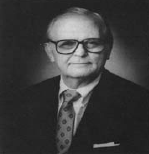
Crawford Bronchus Clamp

Crawford Coarctation Clamp

Crawford Aortic Clamp
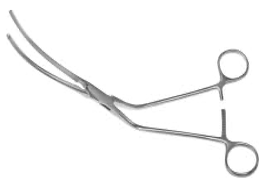
An American Cardiovascular Surgeon whose greatest technical work involved innovative surgical techniques in the treatment of complex aortic diseases and diseases of the heart.
Crawford received his medical degree from Harvard Medical School in 1946, served in the U.S. Navy from 1947 to 1949, and completed his postgraduate surgical training at Massachusetts General Hospital. He joined the faculty at Baylor University, becoming a full professor in 1956, and remained at Baylor until the end of his career.
He was a tremendous innovator who became the co-inventor of the Baylor Rapid Autologous Transfusion System, one of his specialty areas was the treatment of vascular complications of Marfan syndrome. the clamp-and-sew method of thoracic aortic aneurysm repair, the development of the first artificial heart assist devices, working with Dr. Michael DeBakey at Baylor University.
He was treasurer of the Society for Vascular Surgery from 1977 to 1980 and President from 1987 to 1988, and served as a member of the editorial board of the Journal of Vascular Surgery.
His prodigious scholarly productivity has been documented by more than 300 peer reviewed publications and book chapters. His textbook, Diseases of the Aorta, has become a standard reference text on aortic surgery.
Dr. Crawford held memberships in numerous surgical organizations, including The American Association for Thoracic Surgery, the American College of Surgeons (governor 1982-1988), and the American Surgical Association (vice president 1988), to name a few.
For surgeons everywhere and vascular surgeons in particular, to paraphrase the lyrics of a popular song, E. Stanley Crawford was and remains the wind beneath our wings.Given his interest on surgery of the aorta, he understood the importance of proper vascular control and developed several instruments, including the Crawford Aortic Clamps, which are frequently used in surgical theatres today.
Donal Balfour
1882–1963
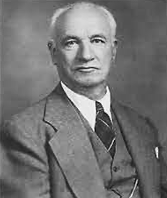
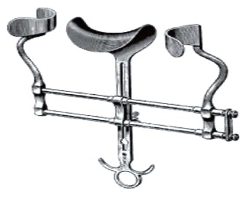
The Balfour Retractor
Canadian General Surgeon who specialized in gastrointestinal surgery. He worked at the Mayo Clinic from 1907 until 1947, and was director of the Mayo Foundation for Medical Education and Research from 1937 to 1947.
Balfour was born in Toronto, Ontario in 1882 and was educated at the Hamilton Collegiate Institute. He attended the University of Toronto, earning an M.B. degree in 1906 and M.D. in 1914. Balfour joined the Mayo brothers’ practice in Rochester, Minnesota, in 1907, initially as a pathology assistant.
In 1909 he became a junior surgeon and in 1912 he was promoted to head of a division of general surgery in what is now known as the Mayo Clinic.
In 1910, he married Carrie Mayo, daughter of William J. Mayo, who presented him with a house as a wedding gift. He and Carrie lived in the house until 1960 and donated it to the Mayo Foundation.
He retired from the Mayo Clinic and Mayo Foundation in 1947 and died in Rochester in 1963 from pulmonary oedema caused by myocardial infarction.
He was skilled in gastrointestinal surgery and remarkably, performed more than 200 surgeries without a death. Balfour authored 225 publications and co-authored a textbook titled The Stomach and Duodenum in 1935.
He served as president of the American College of Surgeons. He was a co-founder of the American Board of Surgery. He was a founding member of the World Medical Association. He was an honorary fellow of various international surgical colleges of England, Edinburgh, Australasia, and Canada.
Donald Balfour was the inventor of the self-retaining abdominal retractor, developed in 1911 as a combination of the famous retractors of Gosset and Doyen. It is the most widely used retractor in laparotomies, providing excellent exposure of the abdomen as well as pelvis. It was also modified for retropubic operations.
In addition to the famous retractor, he also invented operating tables and operating room mirrors, and a stent to perform an anastomosis between parts of the large bowel.
Woodbury Storer How
1829-1911
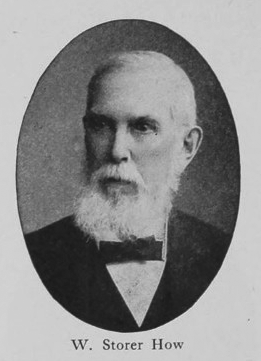
How Dental Plier
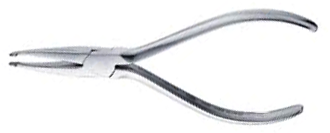
An American dentist known for his innovative dental plier and work with the S. S. White Dental Manufacturing Co.
After training as an apprentice, he graduated from the Philadelphia College of Dental Surgery and practiced in Cincinnati before returning to Philadelphia as a consultant.
His legacy includes a dental plier that was an integral part of his crown technique.
- Early life and career: Born in Portland, Maine, How began his dental career as an apprentice in New York City. He later graduated from the Philadelphia College of Dental Surgery.
- Professional practice: He practiced dentistry in Cincinnati and also lived in Philadelphia later in his life.
- Work with S. S. White: In 1883, he became a consultant for the S. S. White Dental Manufacturing Co. in Philadelphia. He also held a U.S. patent for a dental forceps, which was assigned to the company.
- Innovations: He is known for developing a specific dental plier that was a crucial part of his crown technique.
- A “How plier” (often referred to as
- Howe plier) is a type of orthodontic and dental instrument used for tasks like gripping, bending, and manipulating wires and other components. They are used to grasp objects like arch wires, make bends, compress bands, and hold auxiliary attachments, often fitting easily between brackets for firm gripping.
Alfred Washington Adson
1887 – 1951
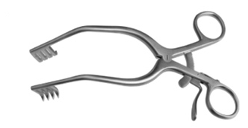
Beckman-Adson Retractor
Adson Dissecting Forceps
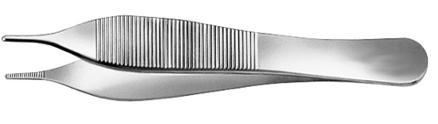
An American Neurosurgeon, who undertook pioneering Neurosurgery at Mayo Clinic and gave his name to a Adson-Coffey syndrome ( thoracic outlet syndrome) , Adson Sign, Beckman-Adson retractor and Adson dissecting forceps
He was born at Terril, Iowa to Norwegian immigrants. attained his BSc in 1912 at the University of Nebraska, his M.D. in 1914 from the University of Pennsylvania and MA in 1918 from the University of Nebraska.
He was in medical practice with the Mayo Clinic and the Mayo Graduate School of Medicine of the University of Minnesota at Rochester, Minnesota.
He was associated with the development of the Section of Neurological Surgery which was first established at Mayo in 1919. He functioned as its chair until 1946 when he was appointed to senior consultant in the same section.
He was a colonel in the US Army Medical Reserve Corps , Fellow of The American College of Surgeons and a member of the International Neurological Association, the Association for Research in Nervous and Mental Diseases Inc., the Society of Neurological Surgeons, the American Association of Neurological Surgeons, the Western Surgical Association, the Central Neuropsychiatric Association and the Minnesota Society of Neurology and Psychiatry.
He was president of the Society of Neurological Surgeons in 1932 and 1933, of the Minnesota State Medical Association in 1937, the Minnesota State Board of Medical Examiners in 1938 and 1943, the Minnesota Neurological Society in 1941, and of the North Central Medical Conference in 1948.
JOHN BOOKWALTER
1938 - 2025

The Bookwalter Retractor
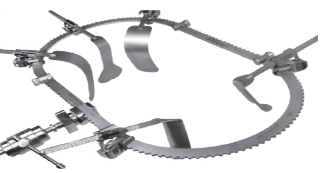
The legacy of Dr. Bookwalter is tied to the Bookwalter Retractor, a tool that has revolutionized surgical practices and was consistent with his belief that “Good Exposure is the key to Good Surgery.” An American General Surgeon, born on May 23,1938 in Youngstown, Ohio, was well known for his innovation, U.S. Veteran, and dedicated surgeon,
He graduated from Amherst College in 1960, with a degree in biology. He graduated from Harvard Medical School in 1964. His post-graduate training consisted of a surgical internship and residency through the Harvard Surgical Service and a thoracic surgery residency at New England Deaconess Hospital.
He proudly served his country as a Major in the US Army Medical Corps at Fort Bragg from 1970 – 1972 and subsequently in the Army Reserves, where he rose to the rank of Colonel from 1986-1990. Dr. Bookwalter practiced general surgery at Brattleboro Memorial Hospital from 1973 – 2012. He served as President of the Medical Staff from 1980 – 1982 and as Chief of Surgery from 1999 – 2005.
Dr. Bookwalter was Harvard educated and trained but dedicated his career to practicing surgery in a rural environment. He was influenced on this professional path by his father, Henry and his grandfather Harry who were both physicians and inspired him. Dr. Bookwalter’s legacy extends to his patients, his local community, and the entire surgical world.
In addition to providing high quality, compassionate care to patients, Dr. Bookwalter was well known for his innovation.
Wolfhard Caspar
1938 - 2019

Caspar Cervical Retractor
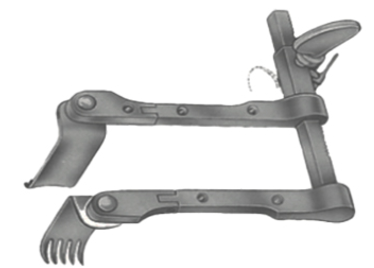
A Latvian/ German Neuro-Surgeon, who designed a standardized instrument set for anterior cervical discectomy and fusion (ACDF) procedures, which included the eponymous pins and vertebral body distractor (retractor system). which allowed for better exposure of the disc space and greater visualization.
He was born in Ventspils, Latvia, in 1938. His child-hood aspiration was to become an Air Force pilot, but he decided to become a physician like his father and grand-father after learning that his vision was inadequate for piloting.
Caspar obtained his medical degree at the University of Saarland in Homberg, Germany, and his doctorate in philosophy in Budapest, Hungary. He completed neurosurgical training at the University of Saarland where he ultimately spent his entire career. Interestingly, Caspar believes that he fell into neurosurgery merely by chance
Caspar was also an innovator of microsurgery, which he adopted in 1975. Thereafter, more than 200 surgeons from across the world travelled to Germany to learn microsurgery.
He presented his scientific and surgical work with eloquent passion. He usually attracted his listeners by his ‘‘unique” way of reporting his experiences.
His goal: Spinal microsurgery tailored to the patient‘s need. His pioneering work in spine surgery is honoured by the spine community.Caspar believed that surgical technique and instrumentation were inseparable for achieving precision.
The Caspar Cervical Retractor system was invented around 1979.
Franz Weitlaner
1872 - 1944

Weitlaner Self Retaining Retractor
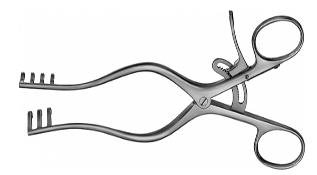
An Austrian Surgeon who is known for designing the Self-Retaining Retractor ‘automatischer wundspreizer’ (automatic wound spreader) that can be opened with one hand, bearing his name.
Weitlaner was born in Welsberg which was at the time in the Austro-Hungarian Empire. His initial higher education was in theology, but at the age of 20 he began medical studies at the University of Innsbruck, where he completed his doctorate in 1898 and his clinical training in 1902.
After a stint as a ship’s surgeon, he married Leopoldine , and established a general practice in the remote village of Ottenthal.
Lacking adequate surgical assistants there, he developed the retractor which bears his name, publishing an article on its genesis and design in 1905 in the Vienna Clinical Review.
He commissioned Windler Instrument Makers in Berlin to make the first retractor for him to his design. In 1912 Windler added the instrument to its catalogue and the device soon became highly popular.
John A. McCulloch
1938 - 2002
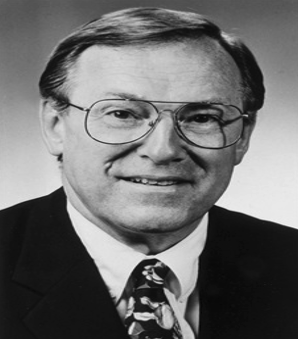
McCulloch Spinal Retractor

A Canadian Orthopaedic Surgeon, pioneer in minimally invasive spinal surgery.
He was born in Canada in 1938 of Scottish descent. He graduated in Toronto, Canada, and his training in spinal surgery included a year as a fellow with Ian Macnab, with whom he formed a close and lasting friendship.
John worked as a spine surgeon at the Denver Orthopaedic Clinic and was Medical Director of the Microsurgical Unit at the Presbyterian St Luke’s Hospital in Denver, Colorado. He previously practiced in Akron, Ohio, for 19 years and before that at St Michael’s Hospital in Toronto for 12 years.
John McCulloch was a professor of orthopaedics and an esteemed educator who authored seven textbooks and championed the use of microsurgery in spine operations.
John was well known as an astute clinician, diligent researcher and outstanding teacher and mentor. However, in my view, the quality that set John apart was his remarkable aptitude for conceptual thinking. He was intellectually happiest when participating in the scientific and clinical analysis of patient-care questions.
For a number of years, John had been a spirited proponent of use of the operating microscope in spinal surgery. The authoritative text Essentials of Spinal Microsurgery was coauthored by John and his longtime friend and neurosurgical collaborator, Dr. Paul Young. This pair also permanently changed the face of graduate training in surgical skills by introducing the first hands-on cadaver course sponsored by the American Academy of Orthopaedic Surgeons.
Recognition of his lifetime achievements when the North American Spine Society awarded to him the Leon Wiltse Award for Outstanding Contributions to the Field of Spine.
Thomas Pomfret Kilner
1890–1964
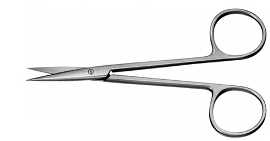
Kilnar Scissors
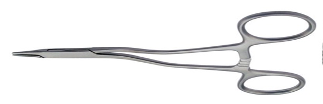
Kilnar Needle Holder
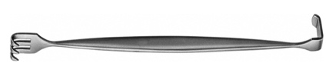
Kilnar Retractor
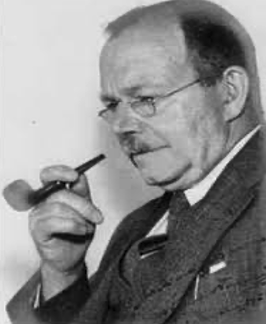
A UK Plastic Surgeon, prominent figure in the field of plastic surgery , credited with several significant surgical innovations, primarily in the design of surgical instruments that bear his name.
He was born in Manchester, attended Queen Elizabeth’s Grammar School, Blackburn, studied medicine at Manchester University. qualified in 1912, with distinctions in surgery and pathology.
Following graduation in 1912, he demonstrated in anatomy and then became a house surgeon. His intended to join Dr Bateman of Blackburn in general practice, but when the First World War intervened he was enlisted in the R.A.M.C. He rose to the rank of captain, and by 1918 was following general surgery as a career.
At the armistice he was in charge of an orthopaedic unit for patients with fractured femurs. He was advised he might gain an appointment with Major Harold Gillies in a new hospital unit where a new of specialty, “Plastic Surgery.” was being practiced. Though not knowing what this was, Kilner was appointed to the hospital at Sidcup.
He was an early plastic surgeon who took a special interest in repairing cleft lips and palate. He was appointed in 1944 as Nuffield Professor of Plastic Surgery at the University of Oxford.
Kilner was President of the British Association of Plastic Surgery in 1948 and 1955.
His innovations focused on improving efficiency and precision, especially in delicate procedures like plastic surgery and oral surgery.
Kilner Needle Holder: It is an ingenious instrument that combines the function of a needle holder with a stitch cutting scissors.
Sir Archibald McIndoe
1900-1960
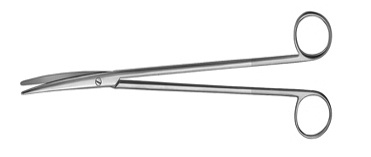
McIndoe Scissors-Curved
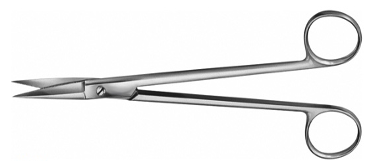
McIndoe Scissors-straight
McIndoe Retractor

McIndoe Forceps

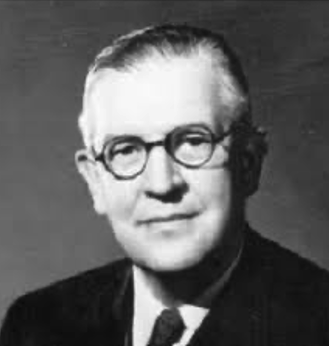
A New Zealand Plastic Surgeon, undoubtedly one of the greatest surgeons of the twentieth century, widely regarded as being founding fathers of plastic surgery, knighted in 1947 as ‘Sir’
He was born 4 May 1900 in Forbury, in Dunedin, New Zealand. McIndoe studied at Otago Boys’ High School and later medicine at the University of Otago. After his graduation, he became a house surgeon at Waikato Hospital
In 1924, McIndoe was awarded the first New Zealand Fellowship at the Mayo Clinic in the United States to study pathological anatomy. Impressed with his skill, Lord Moynihan suggested a career in Britain, and in 1930 McIndoe moved to London.
In 1932, McIndoe received a permanent appointment as a General Surgeon and Lecturer at the Hospital for Tropical Diseases and the London School of Hygiene and Tropical Medicine
In 1934, McIndoe received a Fellowship of the American College of Surgeons, where he worked until 1939. That year, he became a consulting plastic surgeon to the Royal North Stafford Infirmary and to Croydon General Hospital.
In 1938, he was appointed consultant in plastic surgery to the Royal Air Force during the Second World War. He improved the treatment and rehabilitation of badly burned aircrew.
McIndoe moved to the recently rebuilt Queen Victoria Hospital in East Grinstead, Sussex, and founded a Centre for Plastic and Jaw Surgery. There, he treated very deep burns and serious facial disfigurement like loss of eyelids. His speciality was the “McIndoe nose”.
Important work included development of the walking-stalk skin graft, and the discovery that immersion in saline promoted healing as well as improving survival rates for victims with extensive burns.
McIndoe was created CBE in 1944 and after the war he received a number of British and foreign honours, including a Commandeur de la Légion d’honneur (Commander of the Legion of Honour) and was knighted in 1947 for his remarkable work on restoring the minds and bodies of the burnt young pilots of the Second World War through his innovative reconstructive surgery techniques.
He took part in the founding of the British Association of Plastic Surgeons (BAPS) and later served as its third President.
Richard Von Volkmann
1830 – 1889
Volkmann Bone Curette

Volkmann Retractor

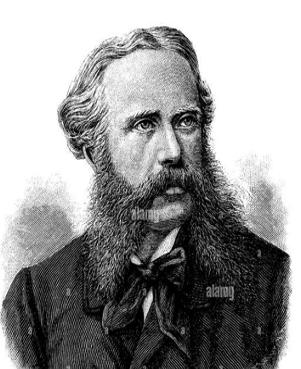
A prominent 19th-century German Surgeon and anatomist, a key figure in the development of Antiseptic Surgery and other Surgical Innovations.
He was born in Leipzig on 17 August 1830, entered medical school in Berlin and graduated in 1854. In 1867 he was appointed Professor of Surgery and Director of the Surgical Clinic at Halle where he remained until retirement. He was one of the most prominent surgeons of his day.
Achievements
- Performed the first excision of carcinomaof the rectum in 1878.
- Described Volkmann’s Ischaemic Contracturein 1881.
- Devised a splint and a spoon which bear his name
- His treatment of articular tuberculosisheralded attempts at preventive surgery.
- In 1894 he described three patients with scrotalcancer who worked with paraffin and tar.
- He was an early supporter of Joseph Lister, and helped the introduction of antiseptic surgery throughout Germany.
- He invented the surgical retractor, now known as the Volkmann Retractor.
The Volkmann Bone Curette is a surgical instrument named after its innovator, for scraping away carious or necrotic bone, fibrous tissue, or other debris while preserving the surrounding healthy bone.
Emil Theodor Kocher
1841 – 1917
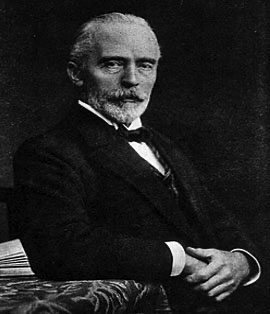
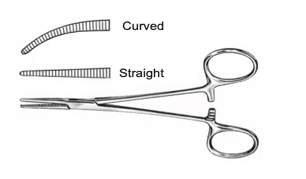
Kocher’s Artery Forceps (Clamp)
A Swiss General Surgeon, Medical researcher who received the 1909 Nobel Prize in Medicine for his work in the physiology, pathology and surgery of the thyroid, the introduction and promotion of aseptic surgery.
He started his studies after obtaining the Swiss Matura in 1858 at the University of Bern. He obtained his doctorate in Bern in 1865 with his dissertation (literal English translation: The treatment of croupous pneumonia with Veratrum preparations.)
In spring 1865, Kocher followed his teacher Biermer to Zürich, where Theodor Billroth was director of the hospital and influenced Kocher significantly.
Kocher then proceeded to start a journey through Europe to meet several of the most famous surgeons of the time. During his travels, he did not only learn novel techniques but also got to know leading surgeons in person
The Bernese government chose Kocher as the successor of Lücke as Ordinary Professor of Surgery and Director of the University Surgical Clinic at the Inselspital on 16 March 1872.
One of his main works, Chirurgische Operationslehre (Text-Book of Operative Surgery), was published through six editions and translated into many languages.
Eponyms
- Kocher’s point– common entry point for an intraventricular catheter to drain cerebral spinal fluid from the cerebral ventricles
- Kocher manoeuvre– a surgical manoeuvre to expose structures in the retroperitoneum
- Kocher–Debre–Semelaigne syndrome– hypothyroidism in infancy or childhood characterised by lower extremity or generalized muscular hypertrophy, myxoedema, short stature and cretinism
- Kocher’s incision – used in cholecystectomy
- Kocher’s incision II – is used in thyroid surgery
- Kocher’s sign– eyelid phenomenon in hyperthyroidism and Basedow’s disease
Kocher was a deeply religious man and attributed all his successes and failures to God.
Kocher is also credited for the invention in 1882 of the Kocher’s Surgical Clamp, which he used to prevent blood loss during surgery.
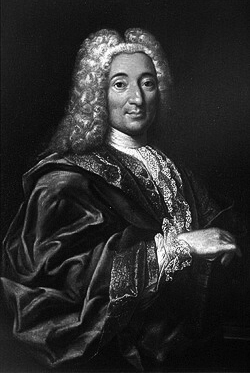
A French Dental Surgeon, credited as being the “Father of modern dentistry”
He was born in a modest home in Saint-Denis-de-Gastines in 2 January 1679. In 1693 he joined the French Royal Navy at the age of 14, much to his family’s distress, and came under the influence of Alexander Poteleret, a surgeon major, who had spent considerable time studying diseases of the teeth and mouth.
Once Fauchard left the navy, he shortly settled down in Angers, where he practiced medicine at the University of Angers Hospital.
In Angers, he started much of the revolutionary medical work we know today, and he was the pioneer of scientific oral and maxillofacial surgery.
Fauchard often described himself as a “Chirurgien Dentist” (surgical dentist), a term very rare at the time as dentists in the 17th century generally extracted decayed teeth rather than treating them.
Fauchard introduced dental fillings as treatment for dental cavities. He asserted that sugar derivate acids like tartaric acid were responsible for dental decay, and also suggested that tumours surrounding the teeth, in the gums, could appear in the later stages of tooth decay.
Fauchard was the pioneer of dental prosthesis, and he discovered many methods to replace lost teeth.
He suggested that substitutes could be made from carved blocks of ivory or bone and those artificially-made dental pieces would be useful as the natural ones.
One of this methods stated that the artificial teeth would be held in place by tying them to the remaining solid teeth by pivots, using waxed thread or gold wire.
He also introduced dental braces, although they were initially made of gold, he discovered that the teeth position could be corrected as the teeth would follow the pattern of the wires. Waxed linen or silk threads were usually employed to fasten the braces.
During 1716 to 1718, Fauchard gained great prestige. During that time, he spent long periods away from home studying and sharing his medical practice with other surgeons across France.
In 1718, Fauchard moved to Paris. During his stay in that city, Pierre realized that many medical libraries lacked good textbooks on dentistry and that an encyclopaedic teaching book of oral surgery was needed, so he made the decision to write a professional dentist’s treatise based on his medical experience.
For many months Fauchard gathered as many medical research books as he could, interviewed the many dentists he had met, and reviewed his personal diaries during his years at Angers to write his manual.