
Basics of Surgical Instruments

Anatomy, Functional Classifications
A surgical instrument is a specially designed hand-held tool or device used by surgeons and other healthcare professionals to perform specific actions during a surgery or operation.
Anatomy
Instruments often have common parts, including
- Finger bows for gripping
- Shaft
- Joint mechanism (like a ratchet or hinge)
- Jaws or blades that interact with the tissue
Functional Categories
Understanding the primary purpose of each tool is key to grasping the basics of surgical instruments.
- Cutting & Dissecting:
To create incisions, separate tissues, and remove unwanted materials.
- Grasping & Holding:
To hold and manipulate delicate tissues, clamps, or other objects.
- Clamping & Occluding:
To clamp blood vessels or other tough tissues to control bleeding or block flow.
- Retracting & Exposing:
To hold back tissues or organs to provide a clear, unobstructed view of the surgical field.
- Tissue Unifying:
To close wounds, join tissues together, or secure structures.
Material Selection
A surgical instrument is a specially designed hand-held tool or device used by surgeons and other healthcare professionals to perform specific actions during a surgery or operation.
Key Aspects of Surgical Instrument Design
Materials Selection
The effectiveness of surgical instruments hinges on the materials they are made of. The right material ensures precision, longevity, and reliability during surgical procedures.
Factors
Choosing the right Surgical Instruments Materials involves considering various factors:
- Durability
Instruments must withstand the rigors of surgery, and durability is key.
- Corrosion Resistance
Resistance to corrosion is essential to maintain the instruments’ integrity.
- Weight
For some procedures, the weight of the instrument can impact the surgeon’s precision.
- Magnetic Properties
Instruments made of magnetic materials can interfere with MRI and other procedures.
Common Materials
- Stainless Steel
Stainless steel is the workhorse of surgical instruments Materials. Its durability, resistance to corrosion, and ease of sterilization make it a top choice.
- Titanium
Titanium is known for its strength and biocompatibility. It’s often used in instruments for its lightweight and non-magnetic properties.
- Tungsten Carbide
Tungsten carbide is exceptionally hard and wear-resistant, making it ideal for cutting instruments like scissors and needle holders.
- Aluminium
Aluminium instruments are lightweight and often used in specialized procedures where weight is a critical factor.
- Nitinol
A shape-memory alloy, that can be used in minimally invasive surgery
Materials for Specific Surgical Procedures
Different surgical specialties require instruments tailored to their needs
Cardiovascular Surgery
Instruments for cardiovascular surgery often use materials like nitinol and specialized alloys due to the unique demands of the field.
Orthopaedic Surgery
Orthopaedic instruments require materials like stainless steel, titanium, and cobalt-chromium alloys for their strength and biocompatibility.
Neurosurgery
Precision is paramount in neurosurgery, and materials like tungsten carbide are used for fine instruments.
Stainless Steel Titanium
A surgical instrument is a specially designed hand-held tool or device used by surgeons and other healthcare professionals to perform specific actions during a surgery or operation.
Stainless Steel
Stainless steel is an alloy, which does exactly what its name implies: Stains less than ordinary steel (iron).
To make iron stainless, nickel and chromium are added in certain quantities, depending on the purpose it is being used for and the qualities required.
A further aspect of making steel “stainless” is a repeated process of extracting surface impurities, mainly minerals.
Final high polish of the finished instrument puts a minute protective coating on it, also very important to make the instrument “stain less”.
All stainless steel can stain, pit, and rust if not cared for properly.
Through regular handling and sterilization, the layer of chromium oxide will build up and protect the instrument from corrosion. .
That is why it is so important to properly clean, sterilize, and store your instruments.
Selection of Stainless Steel
Stainless steels for surgical instruments, and related components, are specified in BS EN ISO 7153-1:2016, which incorporates BS 5194-1:1991.
Grades
This new edition of standard gives each steel grade a new ‘Reference Letter’,
18 Martensitic steels,
2 Ferritic steels
2 Precipitation hardening steels
5 Austenitic steels.
Most instrument manufacturers regard these stainless-steel grades as generic.
Grades b, a, g, and c would be generally described as 410 / 420 type, with ‘m’ being in the same sub-family, but with a high carbon level similar to that of steels used for razor blades.
These grades are used extensively for dental and surgical instruments.

They offer moderate corrosion resistance in comparison to other types of stainless steel, (e.g. austenitic and duplex grades).
They are used for applications where cutting edges; wear resistance and strength are required.
A good combination of corrosion resistance and a range of mechanical strength via heat treatment can be expected from these grades.
Long service lives should be expected from martensitic stainless-steel dental and surgical instruments, properly manufactured and subjected to appropriate cleaning procedures.
TITANIUM
Titanium was discovered in Cornwall, Great Britain, by William Gregor in 1791 and was named by Martin Heinrich Klaproth after the Titans of Greek mythology.
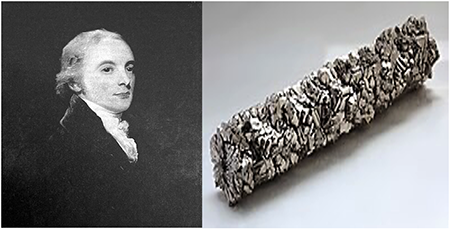
Titanium is a chemical element; it has symbol Ti and atomic number 22.
Found in nature only as an oxide, it can be reduced to produce a lustrous transition metal with a silver colour, low density, and high strength, resistant to corrosion in sea water, aqua regia, and chlorine.
Titanium can be alloyed with iron, aluminium, vanadium, and molybdenum, among other elements. The resulting titanium alloys are strong, lightweight, and versatile
Titanium is also considered one of the most biocompatible metals, leading to a range of medical applications including prostheses, orthopaedic, dental implants, and surgical instruments.
If you must use your surgical instrument in a corrosive environment, or you need a lighter, completely non-magnetic instrument, or it has to tolerate heat of up to 440° C or 824° F, an instrument made from titanium alloy can be your answer.
Manufacturing Process
A surgical instrument is a specially designed hand-held tool or device used by surgeons and other healthcare professionals to perform specific actions during a surgery or operation.
Manufacturing
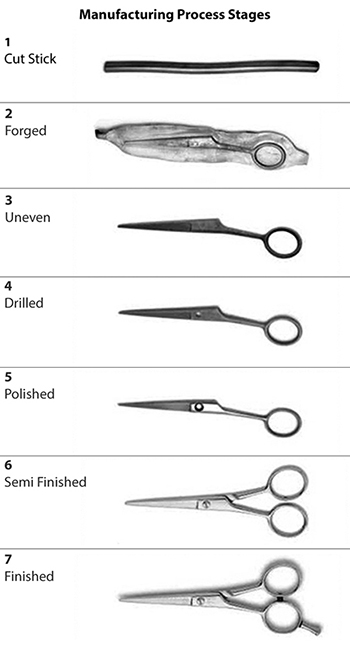
The Surgical instruments manufacturing is a highly developed craft.
It is also a profession that has respected its many traditions over centuries of practice. So, while newer manufacturing techniques have kept pace with advances in surgical practices, in essence, the true craft has changed very little.
Surgical instruments are precisely designed to serve important functions. With proper manufacturing and care, instruments can last for decades.
During manufacturing, surgical instruments undergo
- Forging
- Milling
- Tempering
- Polishing
- Passivation
Forging
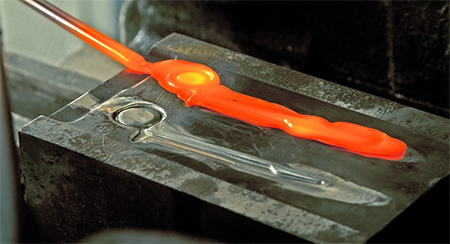
stainless steel is heated, and a rough stamp of the instrument’s outline is created.
If certain quality standards are not strictly maintained during manufacturing, instruments can be predisposed to premature breaking, rusting, and discoloration.
After forging, instruments are ground and milled.
Grinding and Milling
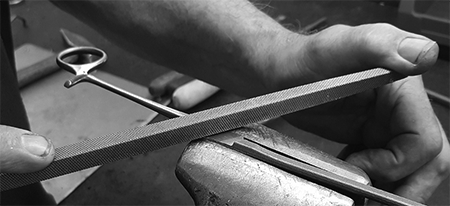
Excess stainless steel from forging is removed to shape instruments, and special qualities (e.g., serrations, teeth, ratchets) are created.
This is not a quick, one-step process: to produce good-quality instruments, milling is repeated multiple times to progressively shape instruments into their final form.
Once instruments have their final shape and characteristic details,
Tempering
Is performed to add strength to instruments.
In this step, instruments are heated to as high as 1500°F (815.6°C) and then cooled under specific conditions to ensure that they develop the ideal hardness.
If this step is performed incorrectly, an instrument can become brittle and break easily during normal use.
After tempering.
Polishing gives instruments a smooth finish, free of microscopic grooves that can retain organic debris.
Instruments are given a shiny mirror finish or a duller satin finish.
A mirror finish is highly polished and, therefore, resists spotting and discoloration best. However, during surgery, a mirror finish reflects light, which can strain the user’s eyes. Therefore, a satin/dull finish may be preferred, but it does not resist spotting and discoloration as well as a mirror finish.
High-quality instruments are available with either finish, which is chosen according to the surgeon’s preference. In the next step.
Passivation
Passive Film Formation Stainless Steel
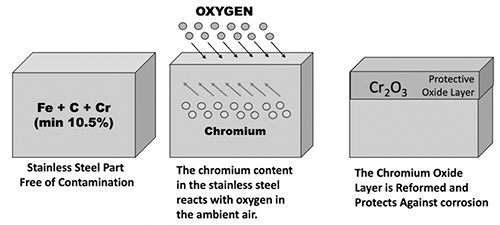
The application of nitric acid (HNO3) to instruments physically changes the outer layer of metal, removing iron atoms that are prone to oxidation (rusting) and depositing chromium oxide, which resists oxidation and protects instruments from corrosion.
With normal use of instruments, the chromium oxide layer becomes more resistant to corrosion.
Etching
Important identifying information (e.g., the manufacturer’s name and/or location) is added to instruments.
Generally, this is a chemical-based procedure that does not affect the integrity of an instrument’s surface.
Alternatively, identifying information may be physically stamped into low-quality instruments, possibly compromising an instrument by creating a depression in its surface and rendering it more prone to breakage or corrosion.
Likewise, when practices engrave identifying information into their instruments, the grooves can collect organic material—increasing the bioburden—and compromise the integrity of the metal.
Instrument Marking
Surgical Instrument Marking Solution provides high quality and accurate laser marking for full traceability in sterile supply workflow.
It offers permanent, non-destructive and high-quality marking of surgical instruments, improving efficiency and accountability in the sterile supply workflow by ensuring full control of traceability.
Instruments can be embossed with the surgeon’s own name to ensure they are always using the right tools for the job which is the key to a successful surgery.
Instruments should be embossed with…
- Company Logo
- Product Code
- UK CA / CE Mark
- Surgeon/ Hospital Name (Signature)

Finishes
A surgical instrument is a specially designed hand-held tool or device used by surgeons and other healthcare professionals to perform specific actions during a surgery or operation.
Basic Finishes
Highly polished or mirror finish Resists staining
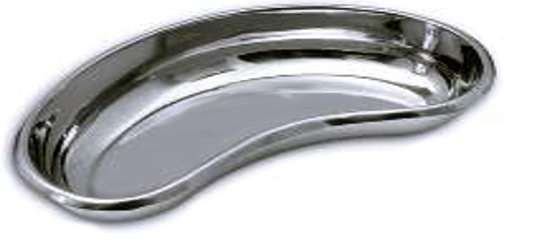
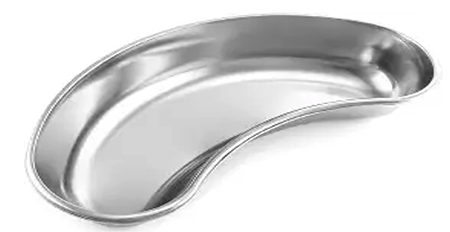
Satin finish Reduces glare but is also prone to staining.
Black chromium finish Used on laser surgery instruments
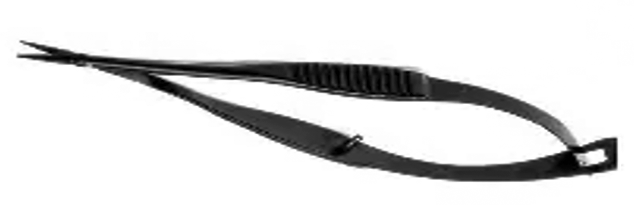
Titanium Anodizing
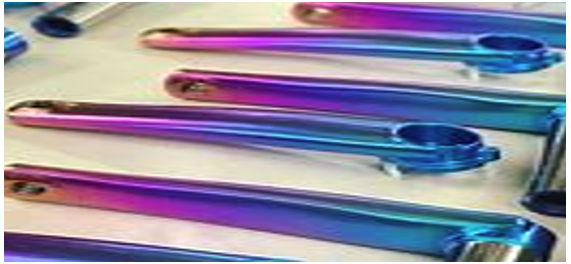
Anodizing

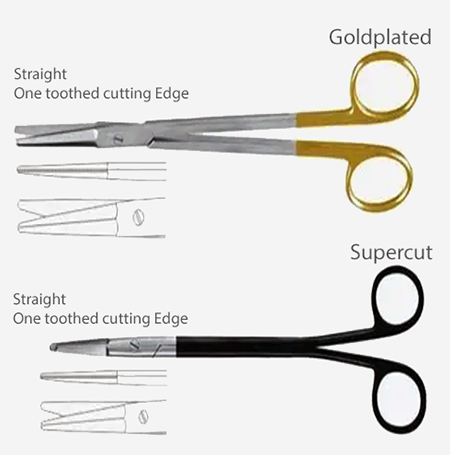
Gold dip or black finish on the handles (finger rings) and shanks of scissors or needle holders
CE UK CA Marking
A surgical instrument is a specially designed hand-held tool or device used by surgeons and other healthcare professionals to perform specific actions during a surgery or operation.

Devices are regulated under the Medical Devices Regulations 2002 (UK MDR 2002, which gave effect in UK to the directives listed below:
- Directive 90/385/EEC on active implantable medical devices (EU AIMDD)
- Directive 93/42/EEC on medical devices (EU MDD)
- Directive 98/79/EC on in vitro diagnostic medical devices (EU IVDD)
This means that the current Great Britain route to market and UKCA marking requirements are based on the requirements derived from the above EU legislation.
The Medicines and Healthcare products Regulatory Agency (MHRA)
MHRA is responsible for regulating the UK medical devices market. It performs market surveillance and is able to take decisions over the marketing and supply of devices in the UK.
The MHRA is responsible for the designation and monitoring of UK conformity assessment bodies.
Registration of devices with the MHRA (the UK Competent Authority) does not represent any form of accreditation, certification, approval or endorsement by the MHRA.
Manufacturer bear the sole responsibility for declaring conformity (DOC) with all technical documentation meeting essential requirements.
Manufacturers must ensure all information registered with the MHRA is accurate and up to date.
CE is Conformité Européenne which is French for European Conformity.
UKCA stands for UK Conformity Assessment
CE /UK CA marking indicates that a product has been assessed by the manufacturer and deemed to meet EU /UK safety, health and environmental protection requirements.
It is required for products manufactured anywhere in the world that are then marketed in the EU/UK.
There is no period of validity for the CE/UK CA marking. However, the Declaration of Conformity(DoC) must be kept up to date.
QMS (Quality Management System)
A surgical instrument is a specially designed hand-held tool or device used by surgeons and other healthcare professionals to perform specific actions during a surgery or operation.
Quality Management System (QMS)
ISO 13485 (ISO – International Organization for Standardization)
is an international standard that specifies requirements for a quality management system (QMS) in the medical device industry, ensuring that organizations consistently meet regulatory and customer requirements for safety and efficacy.
Compliance with this standard not only helps organizations meet regulatory requirements but also enhances their operational efficiency and product quality.
Overview of ISO 13485
ISO 13485 is designed for organizations involved in the design, production, installation, and servicing of medical devices.
It provides a framework for managing quality throughout the entire lifecycle of a medical device, from initial design to production, installation, and post-market activities.
The standard emphasizes the importance of risk management and regulatory compliance, making it essential for organizations aiming to demonstrate their commitment to quality and safety in medical devices.
Key Requirements
Quality Management System:
Organizations must establish and maintain a QMS that meets the specific requirements outlined in ISO 13485. This includes documentation, process control, and continuous improvement practices.
Risk Management:
The standard places a strong emphasis on risk management throughout the product lifecycle, requiring organizations to identify and mitigate risks associated with their products.
Regulatory Compliance:
Compliance with ISO 13485 is often necessary for regulatory approval in many countries, as it helps organizations meet stringent regulatory requirements.
Benefits of ISO 13485
Market Access:
Certification to ISO 13485 can facilitate access to global markets by demonstrating compliance with regulatory requirements.
Enhanced Product Quality:
Implementing the standard helps organizations improve their processes, leading to higher quality products and increased customer satisfaction.
Risk Mitigation:
By focusing on risk management, organizations can reduce the likelihood of product failures and recalls, enhancing patient safety.
Credibility and Trust:
Certification demonstrates a commitment to quality and safety, building trust with customers and stakeholders.
- Recent Updates
- The latest version of ISO 13485 was published in March 2016,
It introduced several improvements, including a greater emphasis on risk management and alignment with regulatory requirements.
The standard is reviewed every five years to ensure it remains relevant to the industry.
IFU (Instructions for Use)
A surgical instrument is a specially designed hand-held tool or device used by surgeons and other healthcare professionals to perform specific actions during a surgery or operation.
Instrument Care
Proper instrument care is vital to high-quality surgical care.
Keeping instruments working properly and out of the “repair shop” can help keep a surgery program functioning smoothly.
Instructions for Use (IFU)
- Make sure that the instruments are only used for the purpose for which they
have been designed.
- Instruments should be handled gently being careful not to over strain or drop
them.
- Check carefully every instrument for damage after use, before storing.
- Give special attention to fine instruments. These can be easily damaged by
contact with other instruments.
- It is important that you check the hardness of the water used in the Autoclave,
Water, which is too hard, will leave a deposit on the instruments.
- Make sure that the detergent is at the recommended strength if ultrasonic or
cleaning machines are being used.
- All box locks should be opened and disassemble those instruments with
removable parts.
- Make sure you clean and decontaminate all instruments in warm water
immediately after use. Failure to do so may result in the instruments
becoming stained and the joints stiff.
- Do not leave soiled instruments to dry. If it is impossible to clean them
immediately after use, soak them in cold water.
- Never leave any instrument soaking in chemical sterilising solution for a
longer period than necessary. All chemicals should be removed from
instruments.
- Instruments should be lubricated after every cleaning process with a water-
soluble lubricant and must be thoroughly dried before being stored.
- Never use abrasives on instruments. This will spoil the surface finish and may
later cause pitting, discoloration or rusting.
- Never vibro-etch or impact mark instruments. This can lead to failure of
instruments at a later date.
With appropriate care and maintenance, surgical instruments can serve their intended purposes well for many years.
Repair of Surgical Instruments
A surgical instrument is a specially designed hand-held tool or device used by surgeons and other healthcare professionals to perform specific actions during a surgery or operation.
Repair of Surgical Instruments
Surgical instruments are vital to daily operations in theatres. Healthcare facilities need to have confidence that instruments are procedure-ready for safe patient outcomes.
After extended use, surgical instrument performance deteriorates and requires proper maintenance and repair to prolong their life and maximise performance.
Surgical instruments can be repaired through a variety of methods, including:
- Re-grinding
- Honing
- Re-setting
- Welding
- Polishing
- Nitric acid passivation
- Sharpening
Surgical instrument repairs can be cost-effective, with some projects saving over 50% compared to purchasing new instruments.
Broken instruments can also be re-manufactured if they are no longer available.
To extend the life of surgical instruments,
- Clean and dry: Clean and dry instruments immediately after use.
- Use for intended purpose: Use instruments for their intended purpose only.
- Avoid harsh solutions: Don’t place instruments in saline or other harsh solutions.
- Use a neutral pH balanced cleaning solution: Use a neutral pH balanced cleaning solution when cleaning instruments.
- Sharpen: Sharpen instruments to extend their useful life.
- Use lubricant: Use a lubricant during routine reprocessing to help eliminate downtime and potential future repairs.
Recycling of Surgical Instruments
A surgical instrument is a specially designed hand-held tool or device used by surgeons and other healthcare professionals to perform specific actions during a surgery or operation.
Recycling of Surgical Instruments
Single-use instrument recycling offers numerous benefits, including cost savings, environmental sustainability, and regulatory compliance.
By recycling single-use instruments, healthcare facilities can reduce waste generation, lower disposal costs, and minimise their environmental footprint.
Additionally, adopting recycling practices demonstrates a commitment to responsible waste management and aligns with corporate social responsibility goals.
Recycling of contaminated disposable surgical instruments is possible in coordination with government authorities. This approach avoids waste incineration and leads to a reduction in CO2-equivalent emissions.
There is a strong trend in NHS hospitals and care facilities towards use of disposal medical instruments made of stainless steel and medical steel, including scissors, tweezers and clamps. In contrast to reusable instruments, disposable instruments do not need thorough cleaning or sterilisation after use, which has economic benefits.
Separate collection of disposable instruments is essential to ensuring that these resources undergo high-quality recycling.
The NHS is working to reduce the amount of waste going to landfill by recycling, reusing, and repairing surgical instruments.
At Surgins, we offer the option of safe sorting and collection of waste to ensure 100 per cent material recycling of disposable surgical instruments. The recovered material is then used to produce equivalent new, high-quality products.
Innovation Process
A surgical instrument is a specially designed hand-held tool or device used by surgeons and other healthcare professionals to perform specific actions during a surgery or operation.
INNOVATION
Surgeons and clinical End-Users require a platform that allows for the continuous development of better and new instruments.
The process of surgical instrument innovation involves several stages, including:
- Idea: The initial idea is screened for feasibility.
- Development: The idea is modified and tested.
- Exploration: The idea is further explored.
- Assessment: The idea is assessed.
- Long-term study: The idea is studied long-term.
MHRA clearance: The device is cleared for use in human subjects by the MHRA.

The process for patenting surgical instruments in the UK involves the following steps:
- Application
File an application electronically through the Electronic Filing System (EFS). You’ll need to pay the required fees at the time of filing.
- Publication
The Intellectual Property Office (IPO) will publish your application in full about 18 months after you apply.
- Substantive examination
The IPO will then examine your application to determine if it can be patented. This could take several years.
- Grant
If your application meets the requirements, the IPO will grant your patent and publish your application in its final form. You’ll receive a certificate.
A UK patent gives the owner rights to an invention for up to 20 years. To keep the patent in force, you’ll need to pay renewal fees each year.
To be eligible for a patent, a process must meet the following requirements:
- Novelty: The process must be new and not previously disclosed or known to the public.
- Non-obviousness: The process must not be obvious to someone skilled in the relevant field.